
Berlin Repetition
A pattern collection inspired by the architectural details I discovered while exploring Berlin.
When I first moved to Berlin, I found myself walking for hours, completely captivated by the city's ornamental soul.
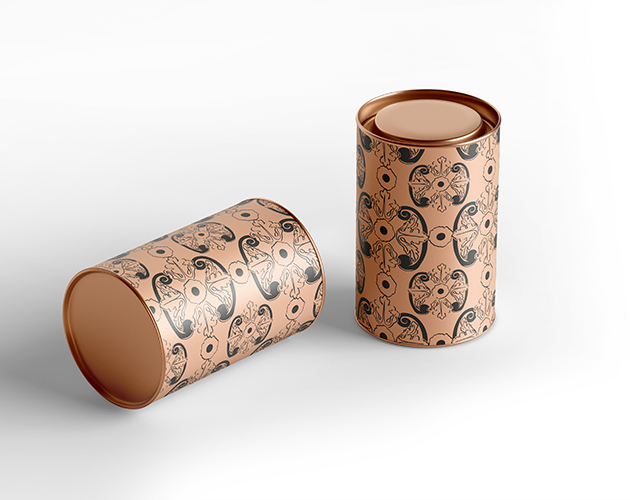
Where it started
When I first moved to Berlin, I began noticing something I hadn't paid much attention to before: the buildings were full of stories told through their details.
From the royal elegance of Charlottenburg Palace and the Berliner Dom to the striking red brickwork of Oberbaum Bridge, every place seemed to have its own visual language.I was especially drawn to the contrasts.
The grand, classical lines of the Bode Museum felt completely different from the weathered, scarred presence of the Gedächtniskirche. Even the decorative window frames of ordinary old apartment buildings felt like hidden treasures.
The more I walked, the more I looked up.
And the more I looked, the more I started wondering:
How were these intricate designs created centuries ago, and why do they still feel so relevant today?
That question became the starting point for this project.
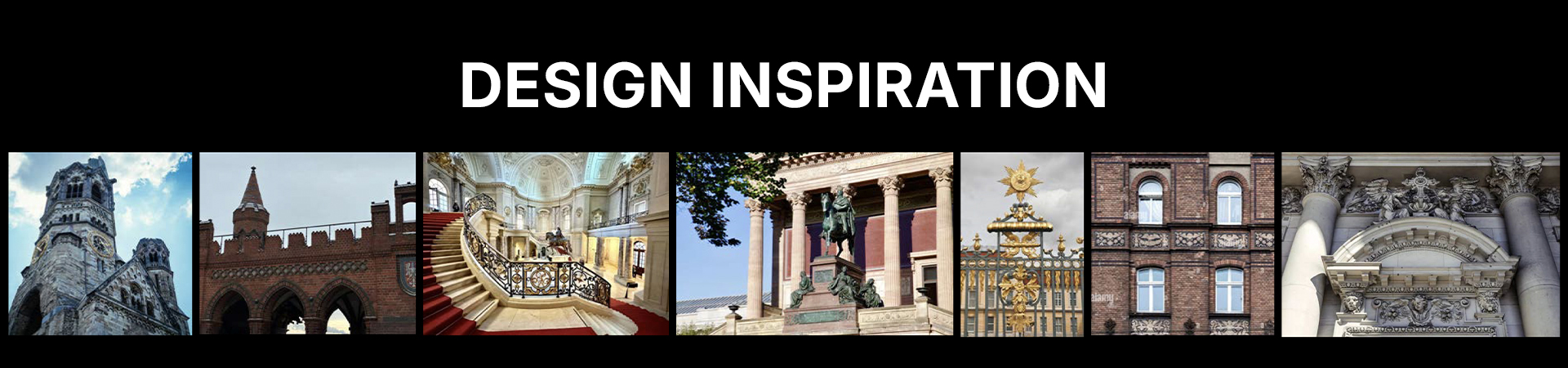
Looking closely at the past
Rather than designing a pattern from scratch, I started by looking at the visual language of historic architectural ornament.
What interested me wasn't just the decoration itself, but the system underneath it:
The more I looked, the more I realized that these ornaments weren't random collections of beautiful shapes.
They were systems.
From architecture to pattern
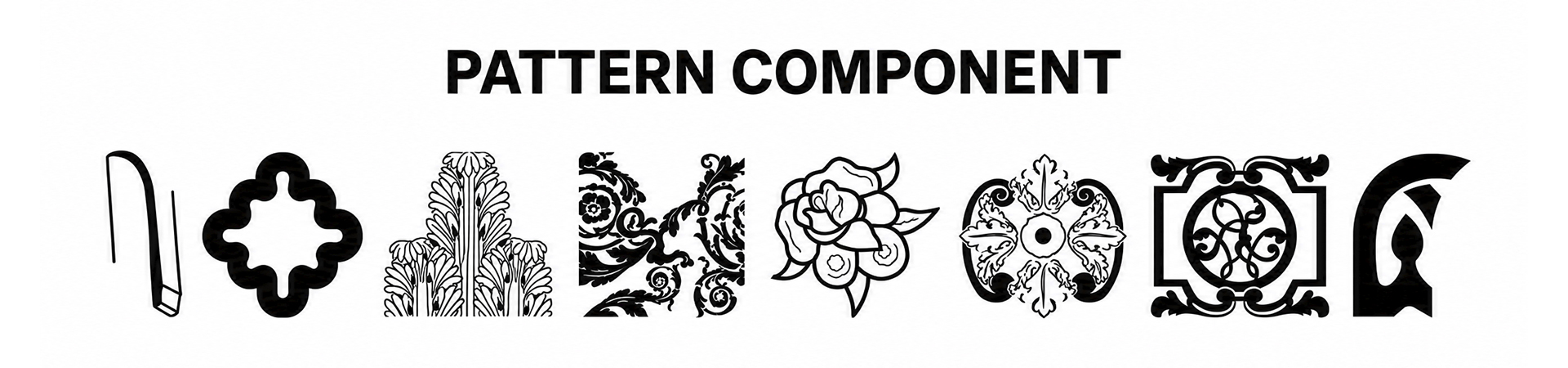
I wanted to take that visual language out of its original architectural context and see what would happen when it became a contemporary graphic pattern.
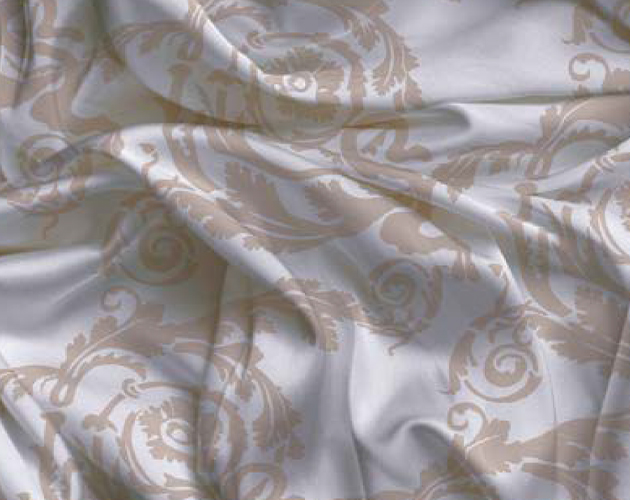
I studied ornamental forms, simplified and reorganized them, and experimented with repetition and alignment.
Instead of reproducing one historic motif, I used the underlying principles as a starting point for creating something new.
The goal became:
Preserve the character of the original ornament while giving it a new visual context.
Building a seamless system
The biggest challenge was making the individual elements work as a continuous system.
A pattern can look interesting as a single tile, but the real test happens when that tile is repeated.
I experimented with:
Scale → How large should each motif feel?
Spacing → How much breathing room should exist between elements?
Alignment → Where should one tile connect to the next?
Rhythm → How does repetition create movement?
Balance → How can dense ornament still feel structured?
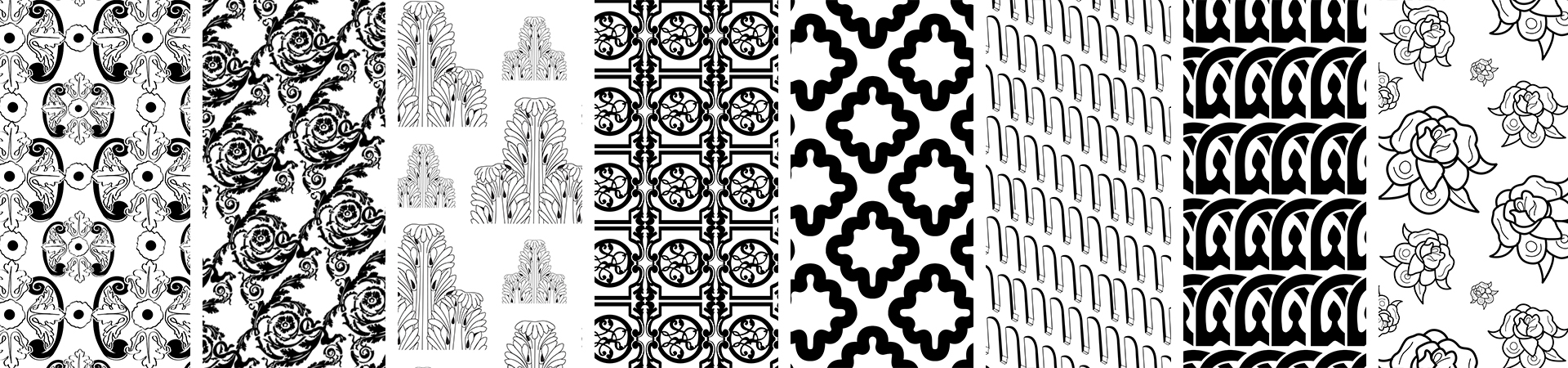
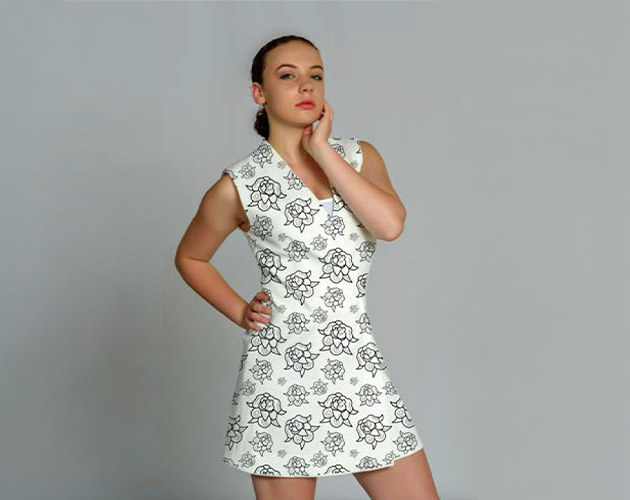
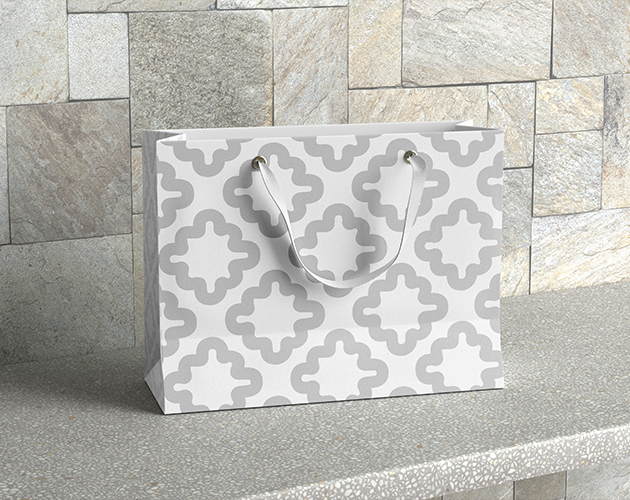
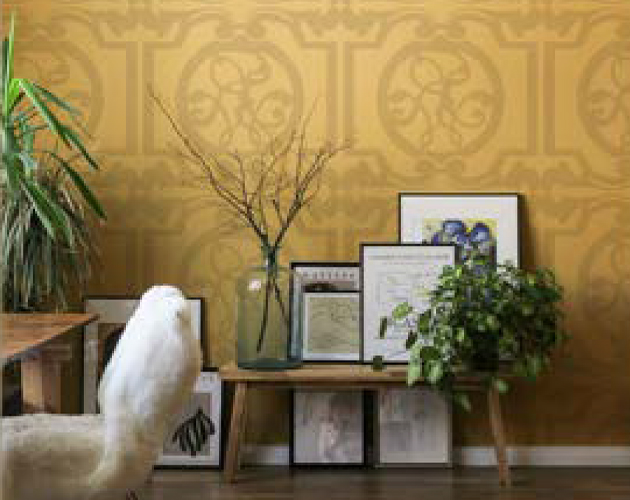
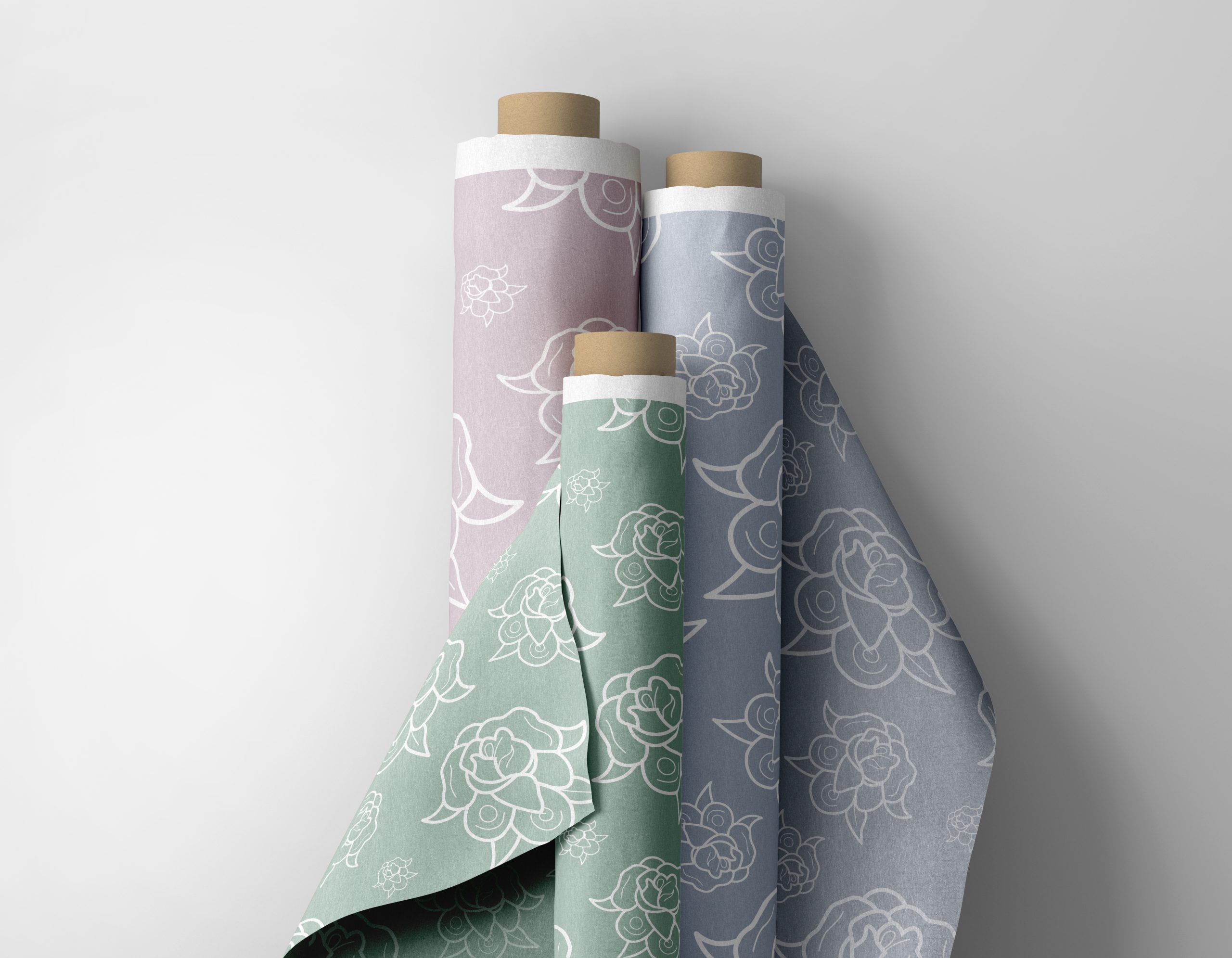
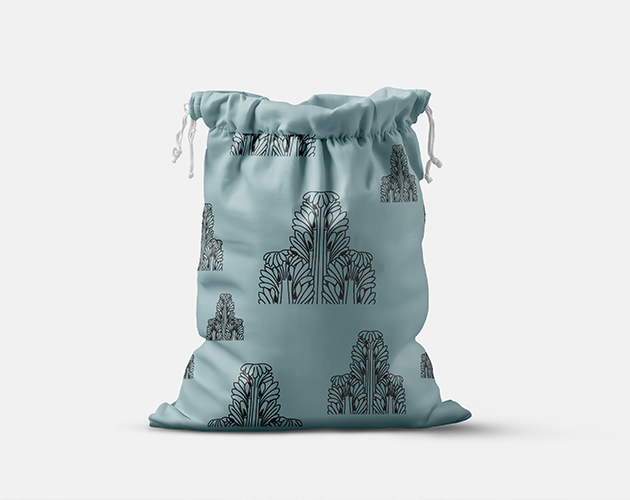
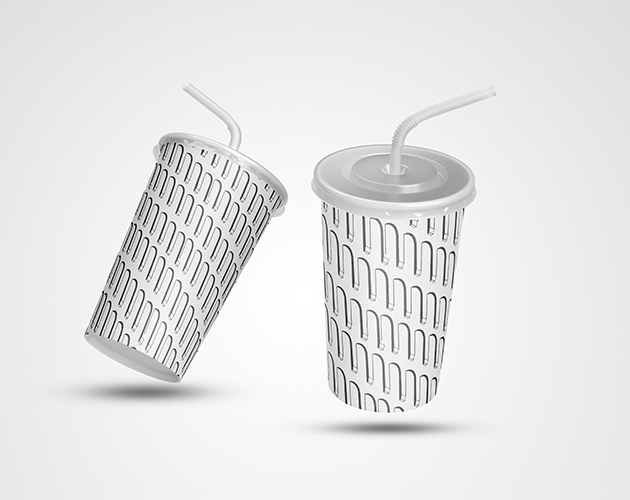
This process resulted in a collection of 8 seamless pattern variations.
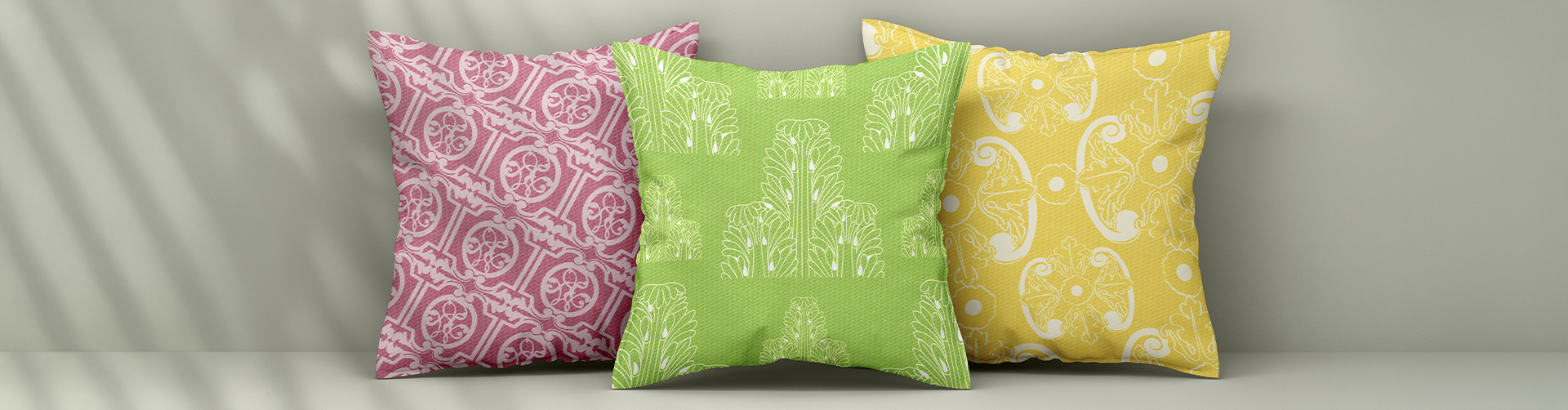
Eight interpretations
Each pattern explores a slightly different relationship between the original ornamental language and repetition.
Some emphasize the bold silhouette of the motif.
Others focus on the intricate internal details.Together, they form a small visual system rather than eight unrelated designs.
What I learned
The project started with a simple observation while walking through Berlin. It became an exploration of something much bigger: Good visual systems can outlive the context they were created for.
The original ornaments were designed for buildings. I translated them into digital patterns.
But the principles of rhythm, repetition, symmetry, and balance still worked.
And that's what fascinated me most.
Old visual language. New context.

Discipline
Output
8 seamless pattern designs
Explored
Architectural ornament➔Repetition➔Symmetry➔Visual systems➔Motif development